
Travel back in time to uncover the captivating story of Louis Vuitton trunks and their timeless canvases, showcasing the brand’s evolution and commitment to excellence. These trunks embody luxury travel and have become an icon of style and elegance, while their legendary canvases are celebrated for their durability and aesthetic appeal, a hallmark of Louis Vuitton’s heritage for over a century. From the first Louis Vuitton trunk, the brand has epitomized exceptional quality and design, enchanting travelers with enduring charm and timeless beauty. The legacy of these trunks and their canvases endures, a testament to the brand’s unwavering dedication to craftsmanship and excellence.
In 1854, visionary Louis Vuitton introduced the first flat-topped trunk, setting the standard for luxury travel. These trunks, crafted from a blend of gaboon, beech, and poplar wood, possess a unique resilience, expertly designed to endure turbulent seas and cargo ship wear and tear. Initially, the trunks appeared as humble wooden boxes, their true essence shrouded in simplicity. Yet, Louis Vuitton sought a signature that was uniquely his own.
Discover the various materials that Louis Vuitton trunks are made of, as they have utilized a diverse array of canvases throughout the years:
- The Trianon canvas
- The Rayée or Striped Canvas
- The Damier Canvas
- The Monogram Canvas
- The Vuittonite Canvas
- The Modern Monogram PVC Canvas
Before long, embrace the enchanting allure of Louis Vuitton’s iconic canvases, eternally redefining the realm of luxurious travel. Each canvas represents a significant chapter in the brand’s history, reflecting its unwavering pursuit of innovation and distinction.
1. The Trianon Canvas
In 1858, Louis Vuitton transformed the luxury luggage industry by introducing the Trianon Canvas as a new material for their trunks. This groundbreaking canvas was more lightweight, durable, and water-resistant compared to the leather or cloth materials that were commonly used at the time.

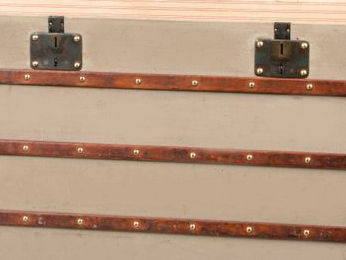
Featuring a predominantly gray color scheme, the Trianon Canvas was initially employed as a covering for flat-topped trunks. This canvas not only enhanced the trunks’ functionality but also endowed them with a distinctive appearance. The easily recognizable Trianon Canvas set the stage for Louis Vuitton’s future success and iconic designs.
2. The Rayée or Striped Canvas
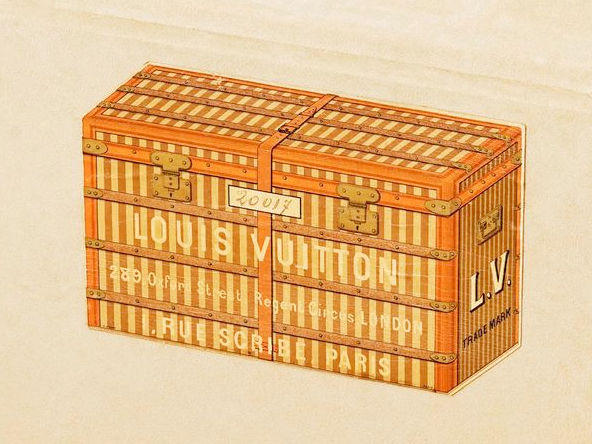
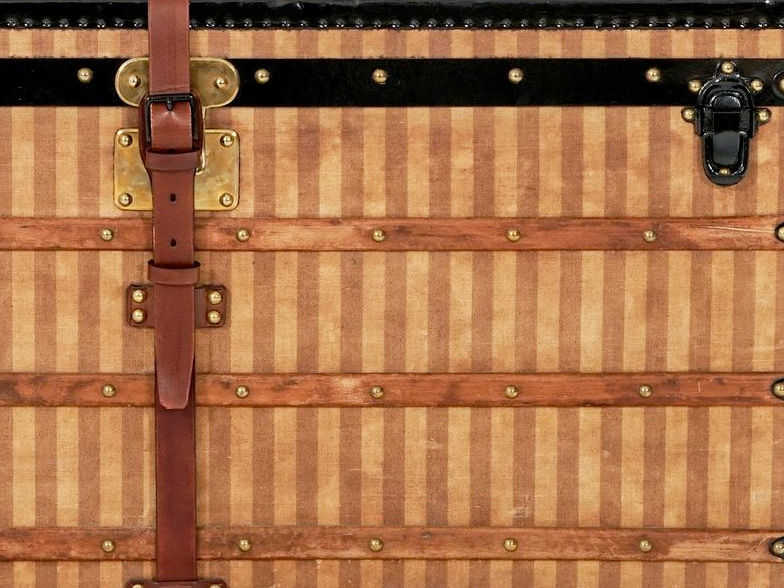
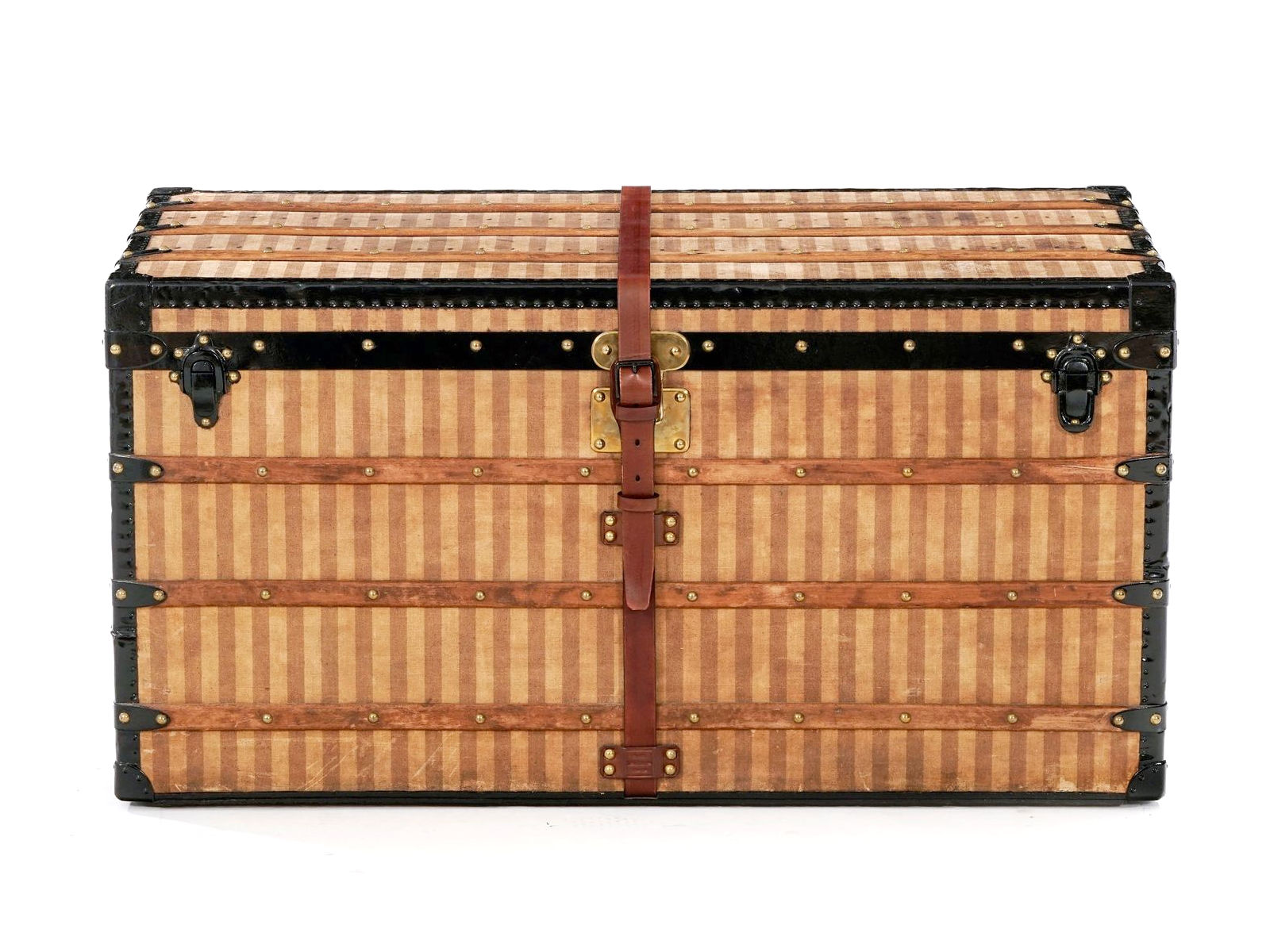
In 1872, Louis Vuitton unveiled the Red Striped Canvas, a striking and captivating design characterized by red-brown or red-beige stripes. This remarkable canvas added a unique flair to their trunks while significantly boosting their durability and water resistance, surpassing the performance of the earlier Trianon Canvas.
The Red Striped Canvas not only offered aesthetic appeal but also served as a testament to the brand’s relentless pursuit of innovation and excellence in the luxury luggage industry. However, due to widespread counterfeiting issues, the Red Striped Canvas was eventually discontinued as a standard offering. Despite this, the canvas maintained a certain level of exclusivity and continued to be available for special orders, catering to clients who appreciated its one-of-a-kind design.
 Rayée or Striped canvas
In an effort to combat the rampant imitation of their trunk designs, Louis Vuitton sought to stay ahead of the curve and, in 1876, patented an updated patterned canvas - the Beige Striped Canvas. This new design maintained the allure of the striped pattern but replaced the red lines with beige ones, creating a fresh yet sophisticated look.
3. The Damier Canvas
In 1888, Louis Vuitton revolutionized the luxury luggage industry with the introduction of the Damier Canvas. This iconic checkerboard pattern, composed of contrasting light and dark squares, replaced the striped designs that had previously characterized the brand’s trunks. With its sophisticated aesthetic, the Damier Canvas elevated Louis Vuitton’s position as the epitome of luxury travel and reinforced its commitment to innovation.
Not only was the Damier Canvas conceived to address the rampant counterfeiting that plagued the luxury luggage market, but it was also trademarked by the company. It bears the label “marque L. Vuitton déposée,” which translates to “L. Vuitton registered trademark.” This intricate pattern presented a greater challenge to counterfeiters, providing a level of protection that the striped canvases couldn’t offer. The Damier Canvas not only deterred imitations but also captivated the fashion-savvy elite with its unique and elegant design. Furthermore, this new canvas boasted enhanced durability and water resistance, thanks to the use of top-quality materials and masterful craftsmanship.
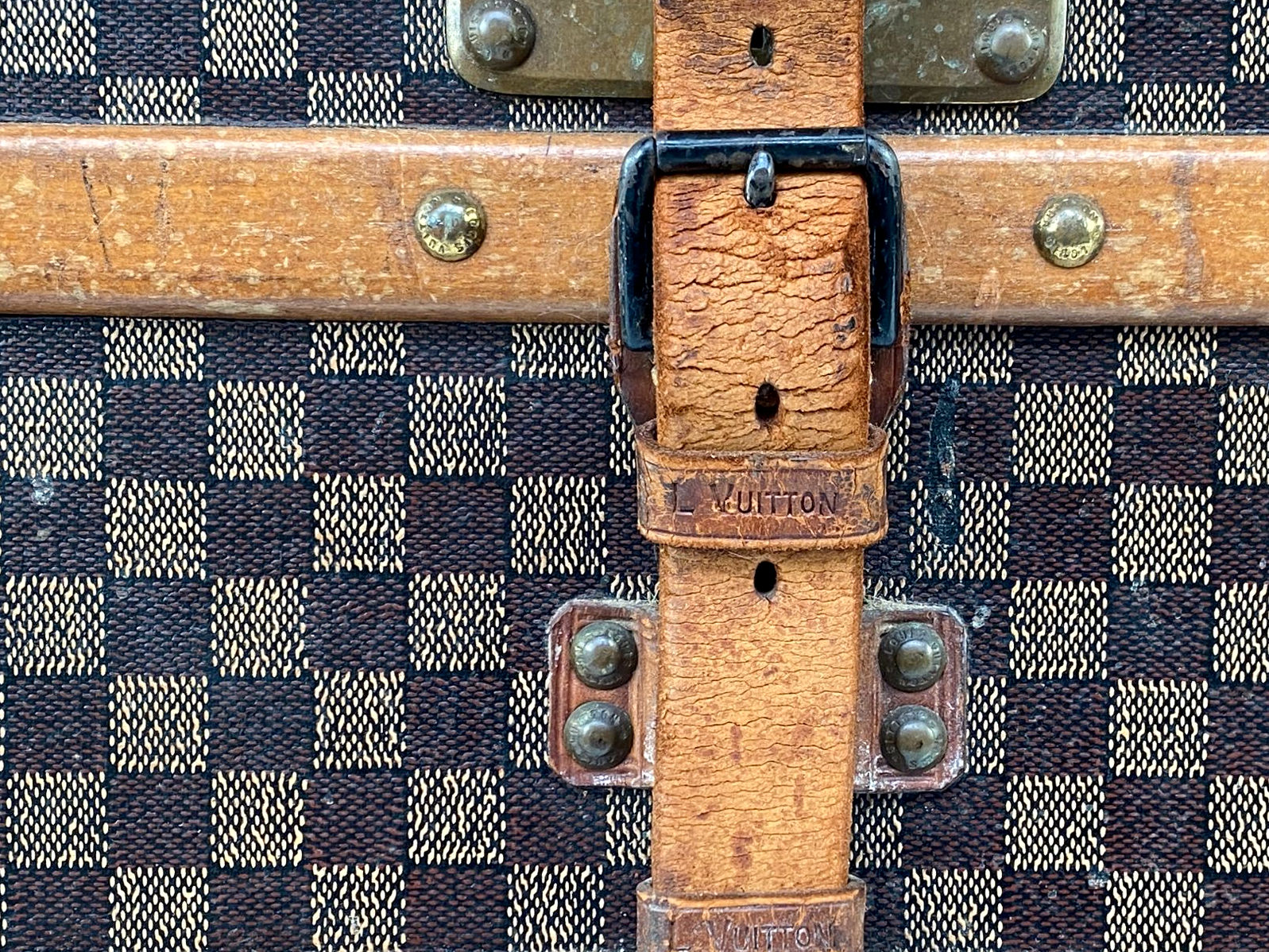
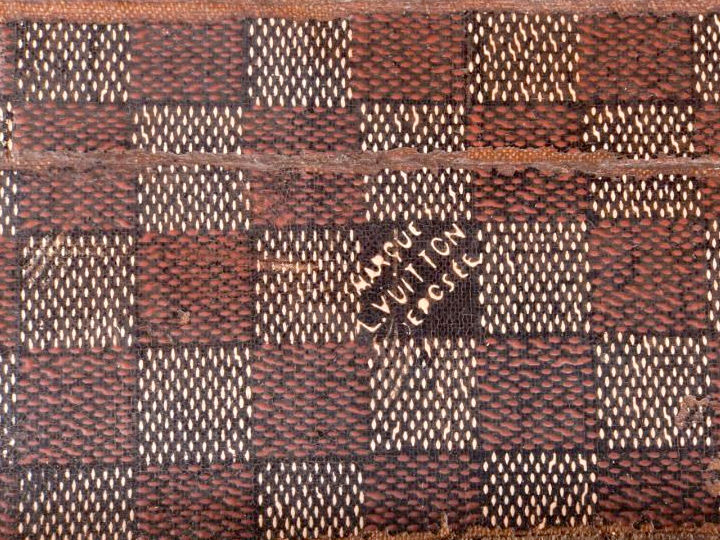
Louis Vuitton’s introduction of the Damier Canvas marked a significant milestone in the brand’s history. It showcased the company’s unwavering dedication to quality, innovation, and excellence. Today, the Damier Canvas stands as an integral part of Louis Vuitton’s legacy, a timeless symbol of the brand’s prestigious designs and enduring appeal. With its trademark status and iconic design, the Damier Canvas continues to exemplify Louis Vuitton’s commitment to protecting its creations and maintaining its position as a leader in the world of luxury fashion.
4. The Monogram Canvas
In 1896, four years after the passing of Louis Vuitton, his son George introduced a groundbreaking design to distinguish the brand from its imitators – the Monogram Canvas. This exquisite pattern, featuring the designer’s initials and various geometric shapes, was inspired by the tiles found in the family’s kitchen at Asnières. These distinctive elements ensured that the design would become inseparable from the Louis Vuitton legacy.
The Monogram Canvas, with its intricate detailing, was created through the delicate process of Jacquard weaving. This technique allowed for the seamless integration of the LV initials and the geometric patterns, creating a fabric that was both sophisticated and visually stunning. However, this initial iteration of the Monogram Canvas faced some challenges in production. The fabric was not only complicated to apply during the manufacturing of trunks, but it also relied on rye flour-based glue, which attracted rodents, often resulting in damage to the trunk lining in damp environments.

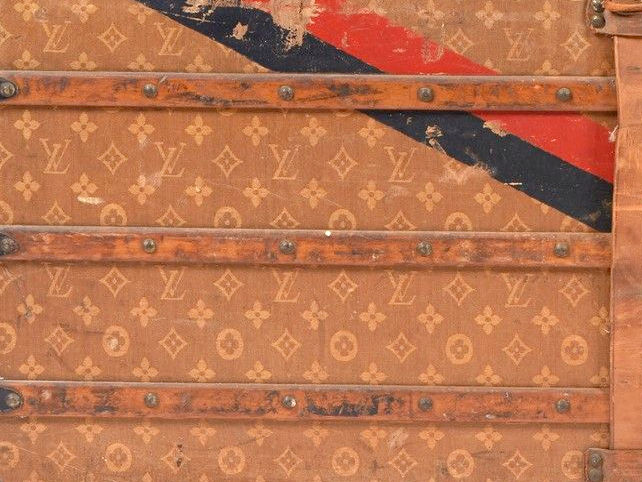
Despite these initial challenges, the Monogram Canvas has stood the test of time and remains one of the most recognizable and enduring symbols of the Louis Vuitton brand. Over the years, the design has been refined and adapted, but the essence of its origins remains intact. This iconic pattern continues to grace the surfaces of Louis Vuitton trunks and other luxury goods, serving as a testament to the brand’s commitment to innovation and its storied history.
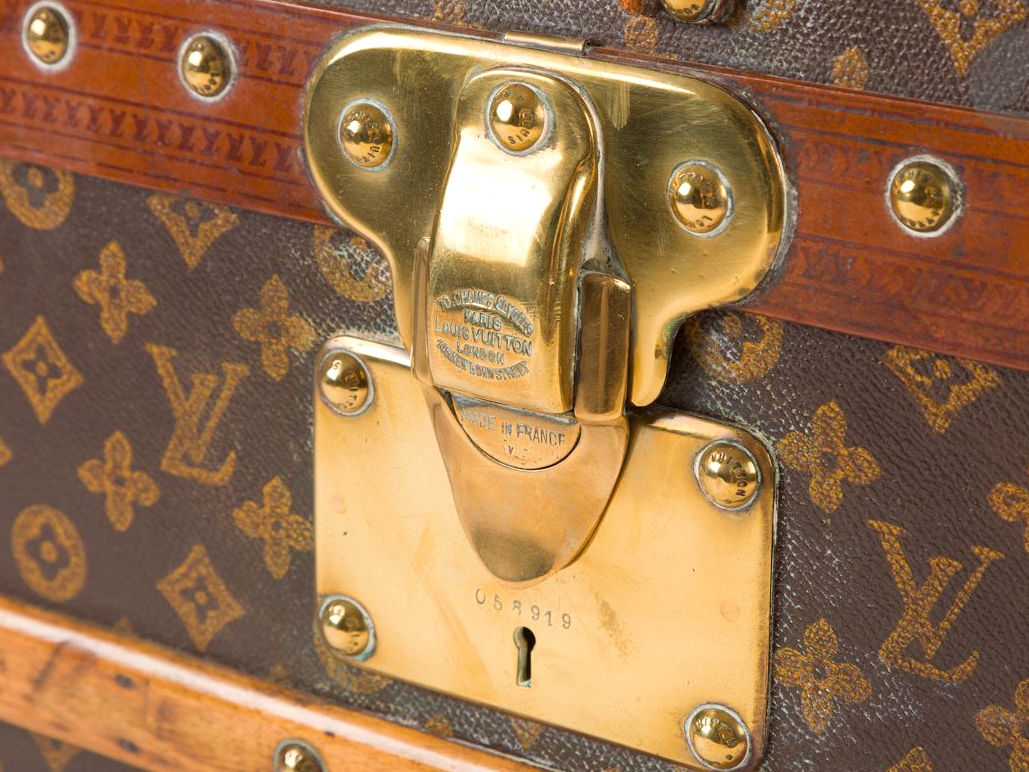
In 1902, George Vuitton introduced the first Coated Monogram Canvas, which was called “Pégamoïd.” The reason behind this innovation was that the woven cloth used for the previous Monogram Canvas (Jacquard) was expensive, difficult to produce, and prone to deterioration.
 Pegamoid Monogram
In the development of the Pegamoid canvas, a unique method was employed that incorporated Pegamoid induction resins. This technique encompassed adding a distinct yellow design to a pre-coated cotton canvas, resulting in a more durable and visually appealing product.
Utilizing the Pegamoid technique significantly increased the canvas’s durability, water resistance, and simplified its production compared to its Jacquard predecessor. This innovative canvas allowed Louis Vuitton to elevate their product quality, further cementing their status in the realm of luxurious travel.
5. The Vuittonite Canvas
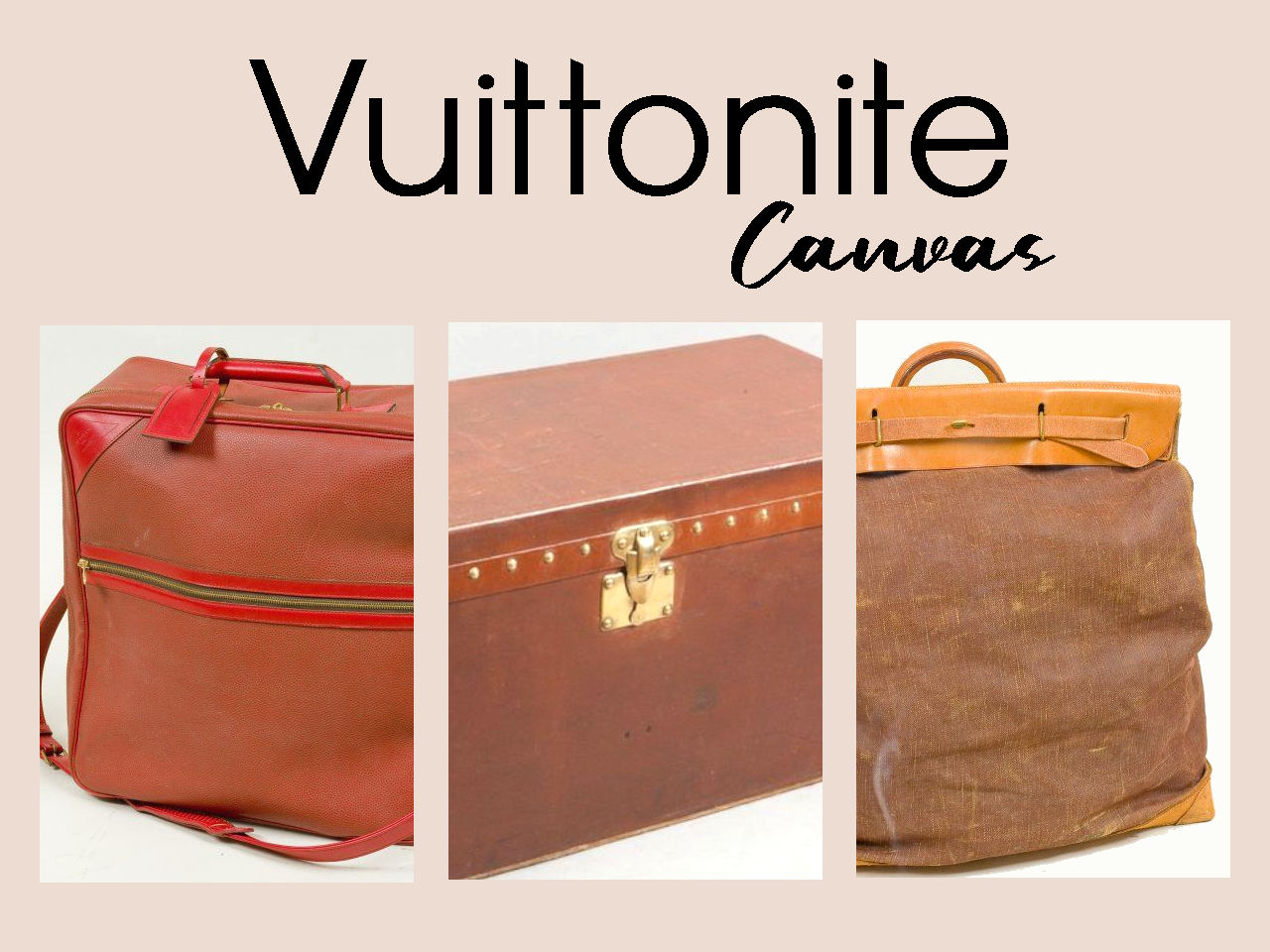
In the early 20th century, Louis Vuitton introduced a versatile and innovative canvas known as Vuittonite, which quickly gained popularity among customers for its durability, water resistance, and wide range of colors. This thick coated canvas, made from a vinyl-like material, was initially developed for automotive luggage, catering to the fact that most cars during that era were predominantly black in color. As a result, the Vuittonite canvas often matched the color of the automobiles, creating a harmonious and elegant pairing between the luggage and the vehicles they accompanied.
Its innovative design and the variety of color options appealed to a broad audience, allowing them to personalize their trunks according to their preferences. Among the most sought-after colors was orange, which stood out against the more traditional black and added an extra layer of customization for discerning clientele.
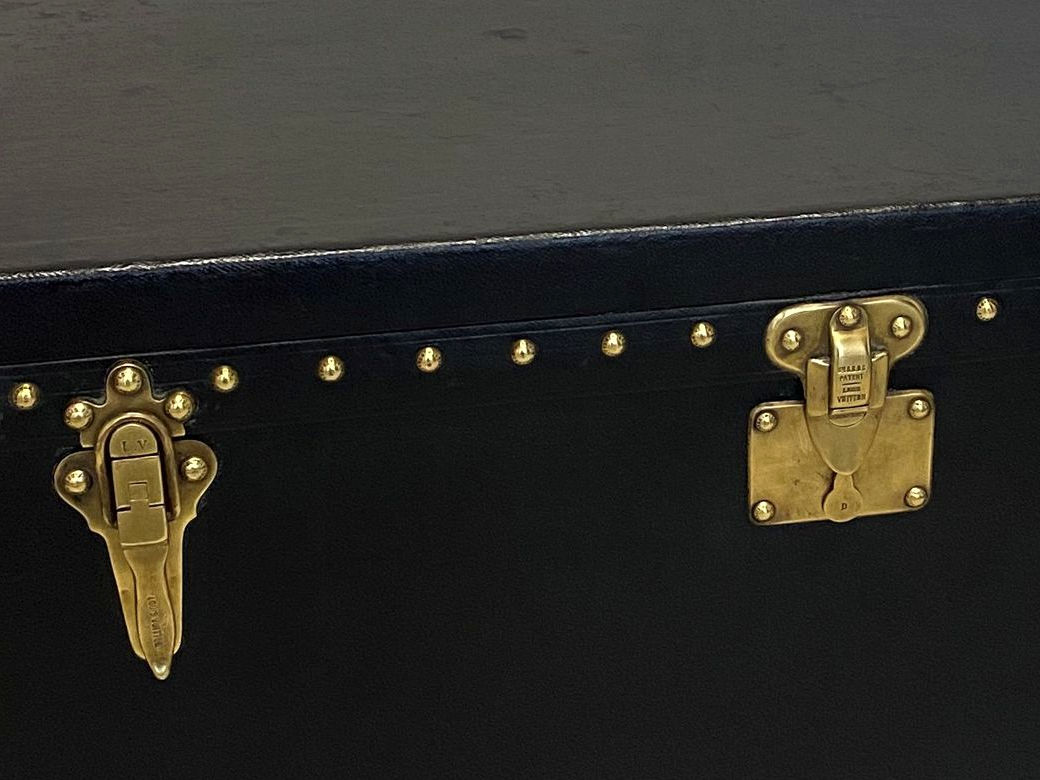
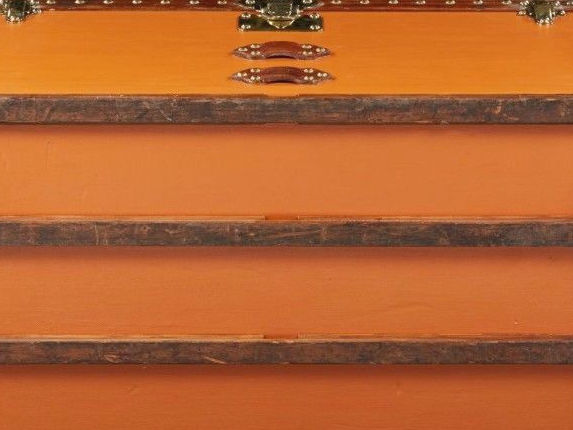
Vuittonite’s unique properties made it an ideal choice for luggage, as its resistance to water and ease of cleaning ensured that it would withstand the test of time and the rigors of travel. However, it was discovered that excessive exposure to the sun could cause the vibrant orange Vuittonite canvas to turn yellow, altering its original appearance. Despite this issue, Vuittonite remained highly sought after for its unique qualities and striking visual appeal.
The Vuittonite series not only referred to the canvas itself but also to a full range of products made from this material. Unlike many other Louis Vuitton trunks, Vuittonite trunks typically did not have wooden slats, further contributing to their distinctiveness and functionality. This innovative canvas showcased Louis Vuitton’s commitment to continually pushing the boundaries of luxury travel solutions, and it remains an important part of the brand’s storied history.
Discover the full story of the Vuittonite canvas
6. The Modern Monogram PVC Canvas
In 1959, Louis Vuitton took a significant leap forward in the evolution of its iconic Monogram pattern by introducing the Monogram PVC Canvas. This cutting-edge material combined the traditional woven textile base, consisting of a blend of cotton and polyester fibers, with a protective layer of PVC film (polyvinyl chloride). This development resulted in a canvas that was not only more durable and resistant to wear but also easier to manufacture, making it perfect for travel bags and other luxury goods.
 Monogram PVC canvas
This coated PVC Canvas marked a new era for Louis Vuitton’s products, as it offered customers luggage and bags that could withstand the rigors of travel while maintaining the brand’s signature style and elegance. The innovative material continues to be utilized in the brand’s offerings today, a testament to its enduring appeal and the company’s commitment to quality, innovation, and excellence in the world of luxury fashion.
Louis Vuitton’s Monogram PVC Canvas showcases the brand’s ability to adapt to the changing demands of its discerning clientele while preserving its rich heritage. By embracing new materials and techniques, the company has ensured that its iconic Monogram pattern remains relevant, stylish, and synonymous with luxury, even as it evolves to meet the needs of modern consumers.
The captivating journey through the evolution of Louis Vuitton trunks reveals the brand’s steadfast commitment to luxury, style, and durability. Each material used throughout the years, from early canvases to modern innovations, represents a distinct era in the brand’s history, showcasing elegance and innovation. The iconic world of Louis Vuitton trunks showcases the artistry, attention to detail, and quality that has captivated generations of discerning customers. Reflecting on this remarkable legacy, it is clear that Louis Vuitton trunks have come to embody the essence of true sophistication and ingenuity.