
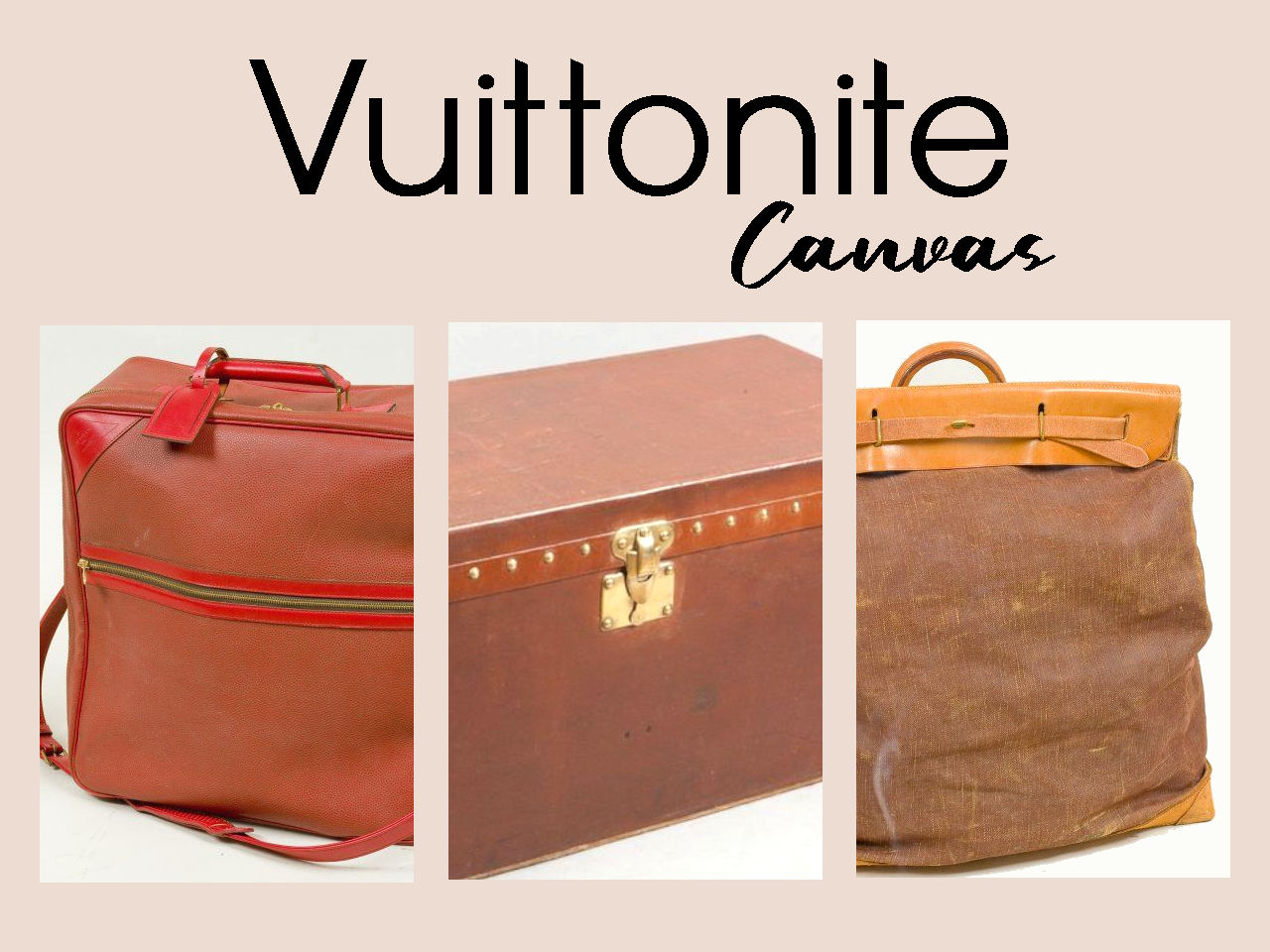
Embark on a journey through the captivating story of Vuittonite canvas, a remarkable material that is part of Louis Vuitton’s illustrious heritage. Known for its durability, water resistance, and diverse color options, this unique material has encountered various challenges, making it an interesting aspect of the brand’s evolution.
As the tale of Vuittonite canvas unfolds, its influence on the luxury luggage and handbag markets becomes increasingly evident. From its creation as a canvas designed to complement the color of automobiles to its innovative use as an interior lining material, Vuittonite canvas has showcased its versatility and durability over the years. This material has played an important role in the history of Louis Vuitton and has contributed significantly to the brand’s reputation as a maker of luxury travel goods.
The Evolution of Vuittonite : From Automotive Luggage to High Fashion
The history of Vuittonite canvas dates back to the early 20th century when Louis Vuitton sought to create an innovative material that would cater to the growing automotive luggage market. With cars predominantly black during that era, the company aimed to develop a canvas that would complement these automobiles. The result was Vuittonite, a durable, water-resistant, and colorful canvas that offered versatility and customization to discerning customers.
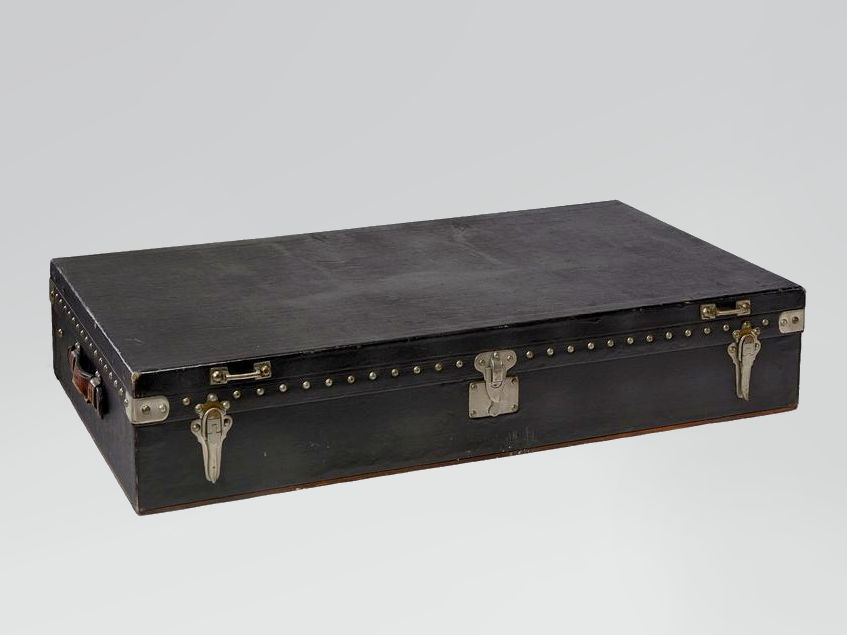
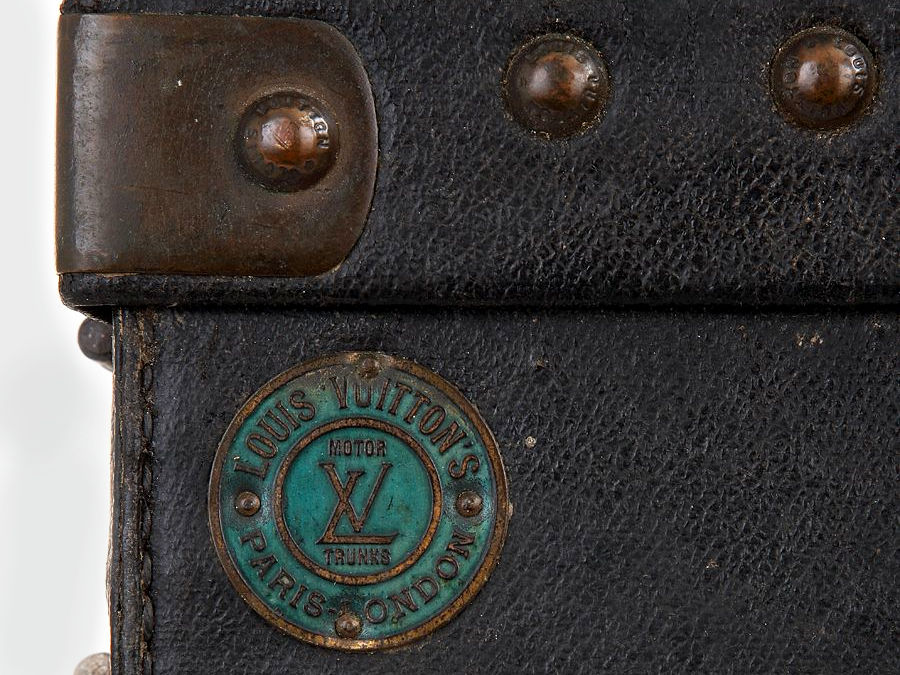
The Vuittonite canvas, made from a vinyl-like material, could be sewn directly onto the wooden frame of trunks, resulting in strong and sturdy luggage pieces. Its water-resistant properties made it ideal for outdoor use, ensuring that the trunks could withstand various weather conditions and the rigors of travel. The canvas quickly gained popularity for its practicality and visual appeal.
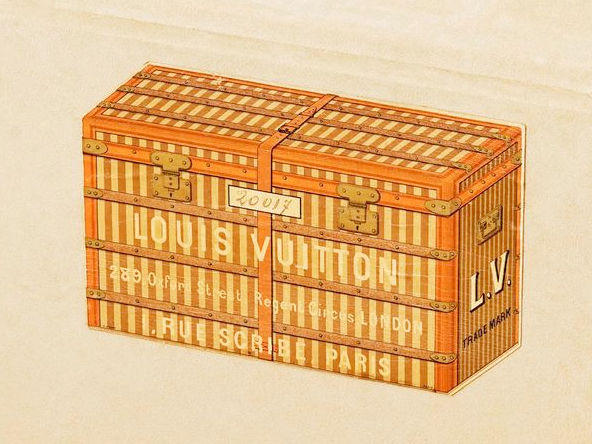
One of the most notable features of the Vuittonite canvas was its wide range of color options. Among the most popular colors was orange, initially designed to cater to Russian clients. The bold hue offered a striking contrast to the more traditional black color of automobiles and allowed customers to add a personal touch to their travel accessories.
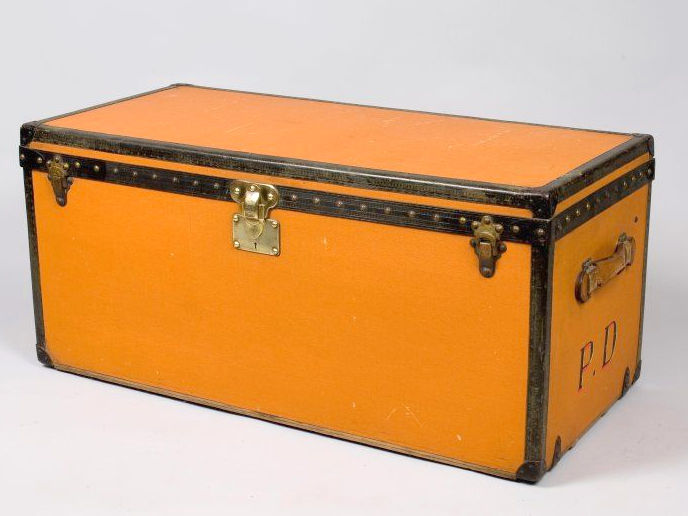 Orange Vuittonite
Despite its many advantages, the Vuittonite canvas was not without its drawbacks. Over time, exposure to sunlight caused the vibrant orange Vuittonite canvas to fade, turning yellow and altering its original appearance. Nonetheless, collectors and enthusiasts still highly valued the unique properties and aesthetic appeal of Vuittonite-covered trunks.
In addition to the canvas itself, the term “Vuittonite series” referred to a full range of products made from this material. A distinguishing feature of Vuittonite trunks was the absence of wooden slats, which contributed to their distinctiveness and practicality. This innovative approach to trunk design was emblematic of Louis Vuitton’s commitment to continually pushing the boundaries of luxury travel solutions.
The Pros and Cons of Vuittonite Canvas in Louis Vuitton Handbags
Louis Vuitton has incorporated Vuittonite, a vinyl-like material, into many of its bag designs. Since the mid-1980s, it has also been utilized as an interior lining material in numerous bag models. This material was chosen for its durability, water resistance, and textured finish, which offered versatility and easy cleaning. However, over time, Vuittonite has shown some disadvantages that have caused some problems for customers.
One of the main advantages of Vuittonite as an interior lining is its water resistance, which makes it easy to clean. The textured finish also hides wear and tear, ensuring that bags look newer for longer. This feature is particularly useful for those who use their bags frequently and want to ensure their longevity.
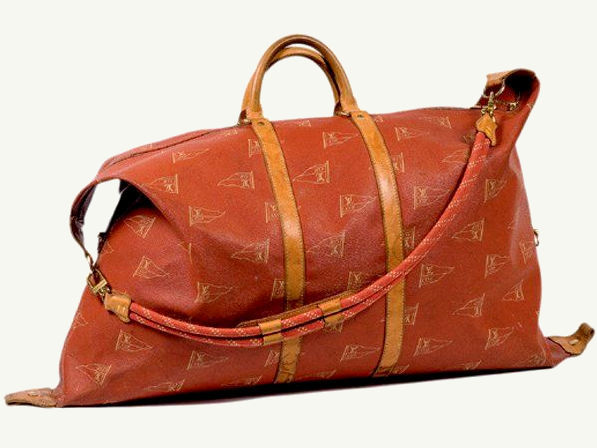
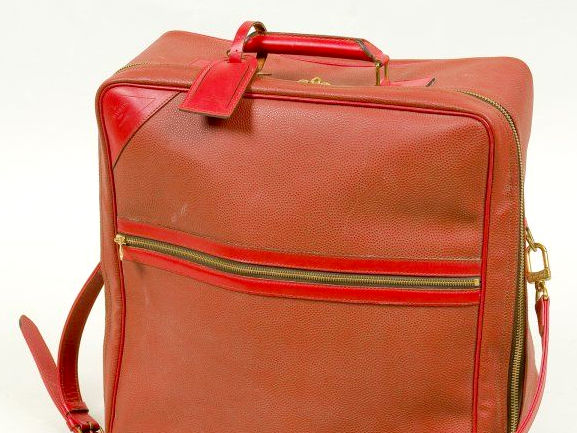
Another advantage of Vuittonite as an interior lining is its durability. Its resistance to water and stains makes it ideal for use in bags, as it can withstand the wear and tear of everyday use. This durability ensures that bags can last longer and provides customers with greater value for their money.
Despite its advantages, Vuittonite has shown some disadvantages over time. When exposed to high heat or humidity, Vuittonite can begin to deteriorate, causing it to peel away from the edges of the bag. Over time, this can result in a sticky residue that transfers to anything placed inside the bag. This problem is most common in interior and exterior pockets and can make bags unusable.
It’s important to keep in mind that Louis Vuitton does not view its peeling and sticking as a manufacturing defect. This means that if a customer brings a vintage bag with peeling and sticky Vuittonite to Louis Vuitton for repair, the company will not cover the cost. To re-line a bag with Vuittonite, Louis Vuitton may often charge more than the resale price of the bag. This can make re-lining a bag with Vuittonite an unattractive option for some customers.
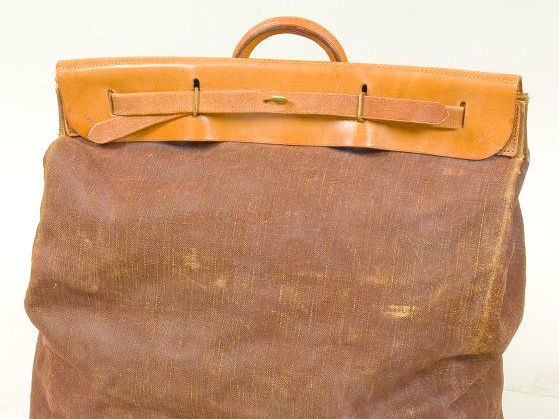
Louis Vuitton’s Vuittonite canvas has been a significant part of the brand’s history since the early 20th century. The durable, water-resistant, and colorful canvas was initially designed to cater to the growing automotive luggage market, and it quickly gained popularity for its practicality and visual appeal. As time has passed, the Vuittonite canvas used in Louis Vuitton bags and trunks has exhibited some disadvantages that can cause issues for customers. Despite these issues, Vuittonite canvas still holds a place in the brand’s rich history and evolution of materials over time.
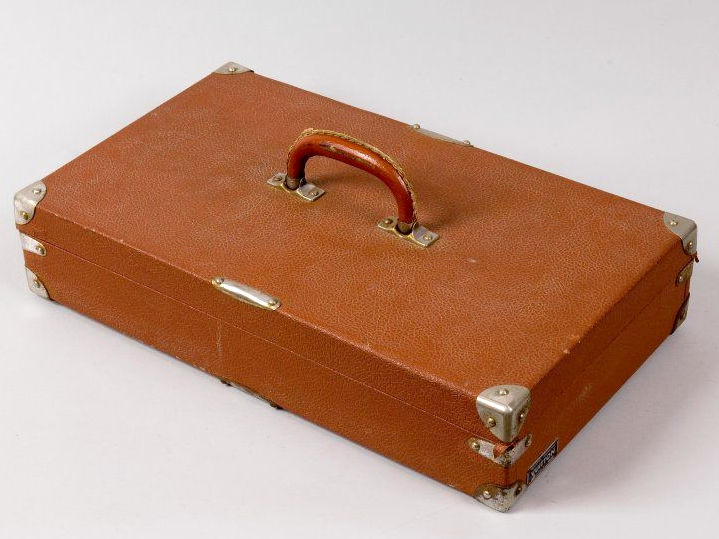
While Vuittonite canvas may not be commonly seen as an interior liner in many contemporary Louis Vuitton items, it can still be found in vintage bags and trunks, showcasing the brand’s heritage. For those who own vintage Louis Vuitton pieces with Vuittonite canvas, it is essential to take proper care of them to maintain their value and beauty. If the damage to the Vuittonite canvas is minimal, it can be fixed and cleaned at home with care and attention. For severe damage to vintage Louis Vuitton bags and trunks with Vuittonite canvas, it is recommended to seek professional assistance to prevent further damage. With proper care, vintage Louis Vuitton bags and trunks with Vuittonite canvas can continue to be cherished and appreciated for years to come.